Assemblies
Assemblies at Clanfield Junior School
Assemblies are a huge part of life here at CJS, and we think of them as our special “family time” together. They’re engaging, interactive, and always full of opportunities for reflection, learning, and celebration.
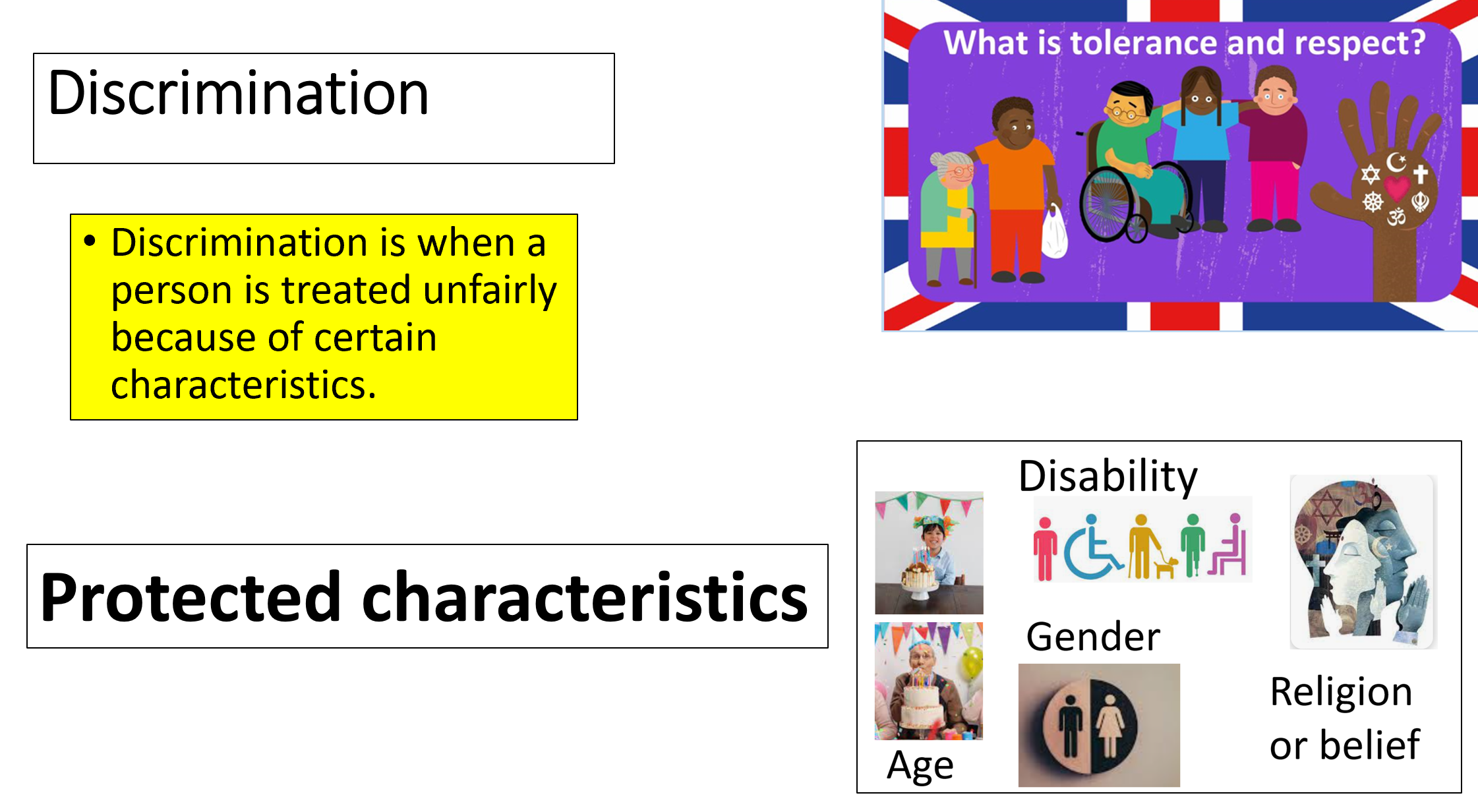
Each week, our assemblies cover a wide range of topics — from British Values and protected characteristics to current affairs and school themes — all carefully planned to help our children grow into kind, thoughtful, and informed individuals.
We love involving our pupils, too! Our School Councillors and Clanfield Rangers often help to present assemblies, and we regularly welcome special visitors to share their experiences and inspire our children.
Across the week, we dedicate time every day to come together as a school community. Whether we’re celebrating achievements, discussing discrimination, or exploring what makes each of us unique, our assemblies remind us that life would be pretty boring if we were all the same!
| Monday | Tuesday | Wednesday | Thursday | Friday |
| DHT assembly | HT assembly | Teacher assembly | Singing assembly | Stars assembly |
Here are some examples of what we have covered in our assemblies with Mrs Dawkins:
Mental health
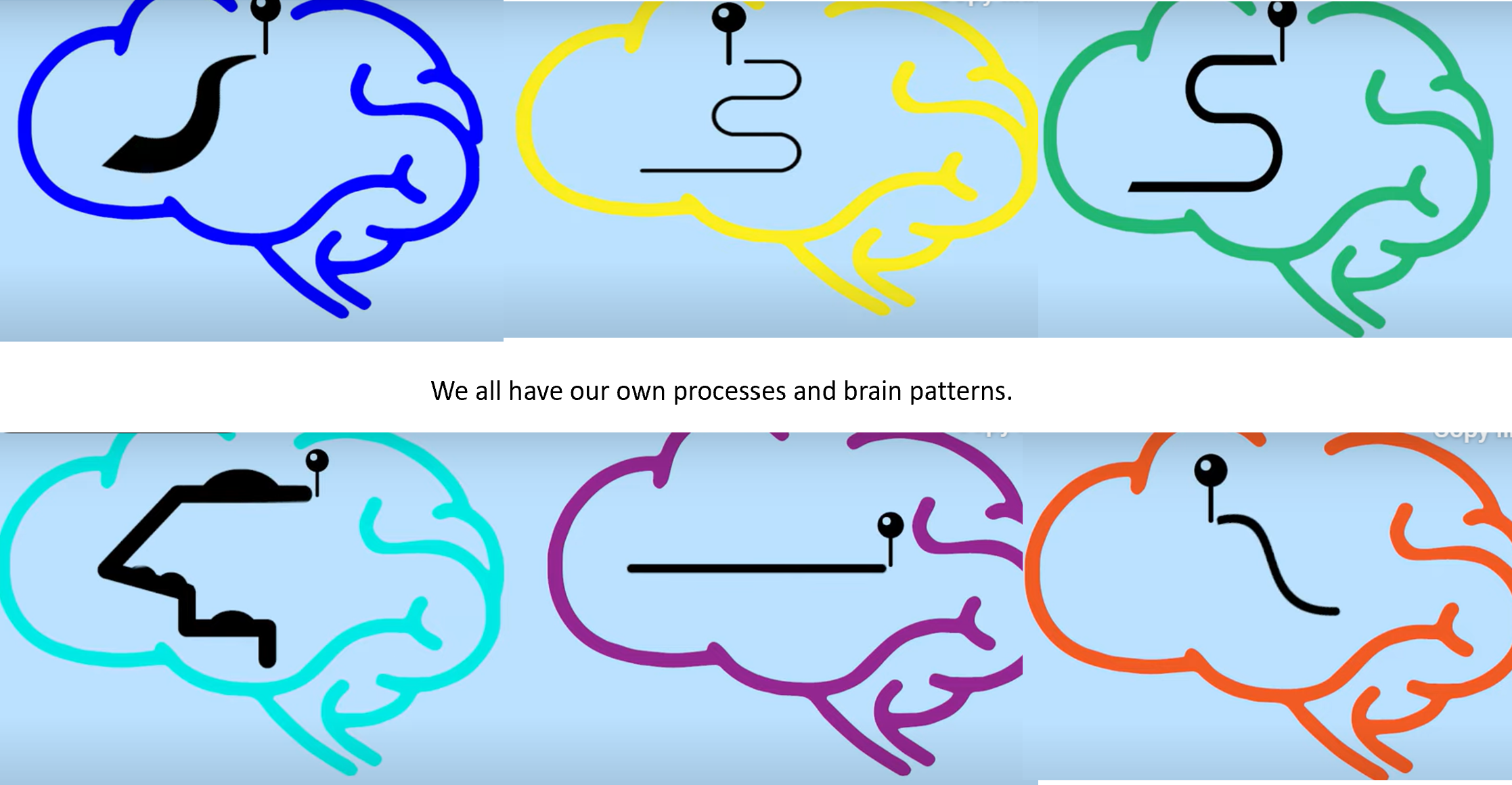
Some of our assemblies have included learning about the brain structure, neurodiversity and how brains work differently.
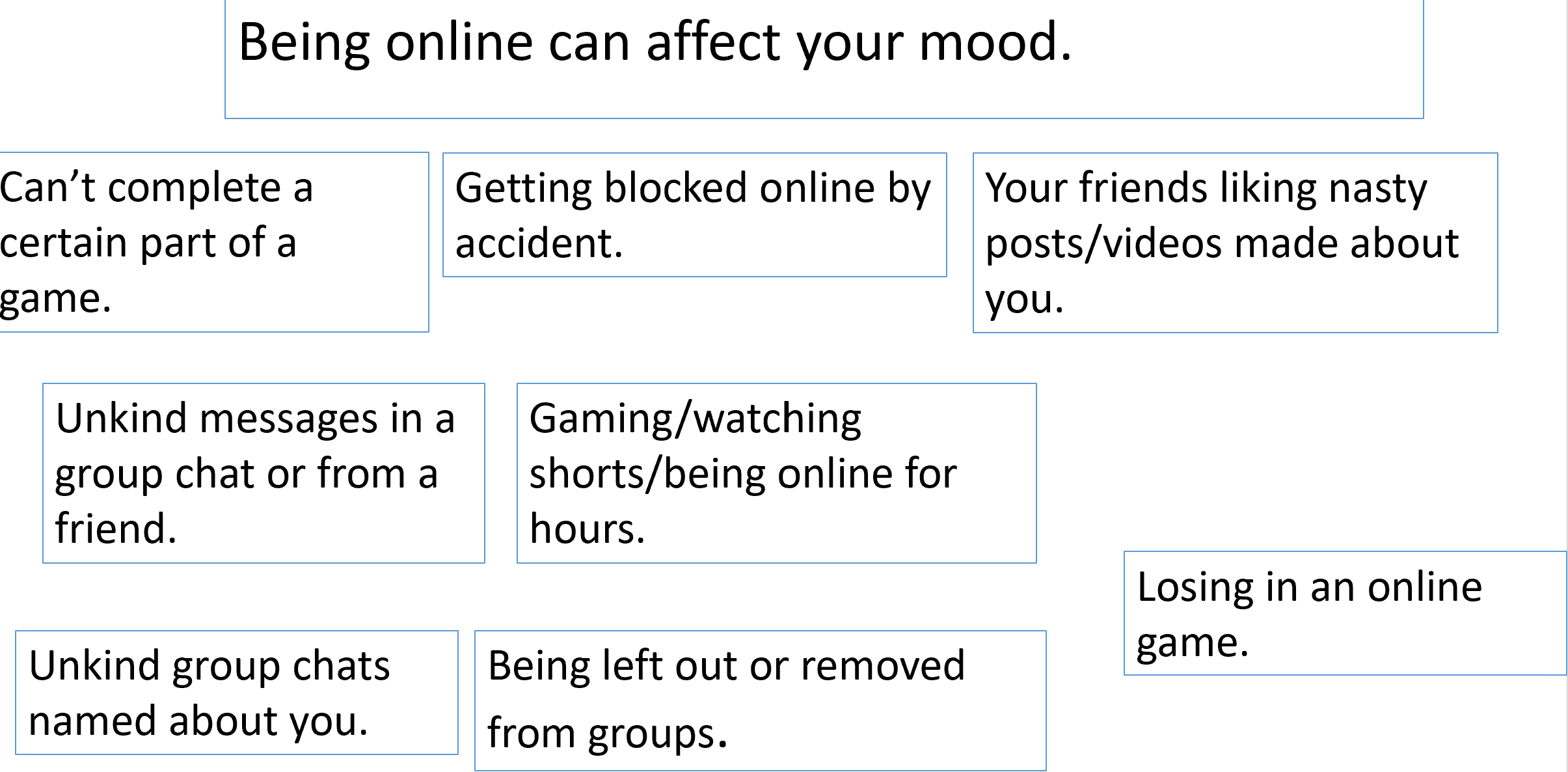
Pupils discussed digital well being and the impact of being on devices on our mental health.

Understanding bullying
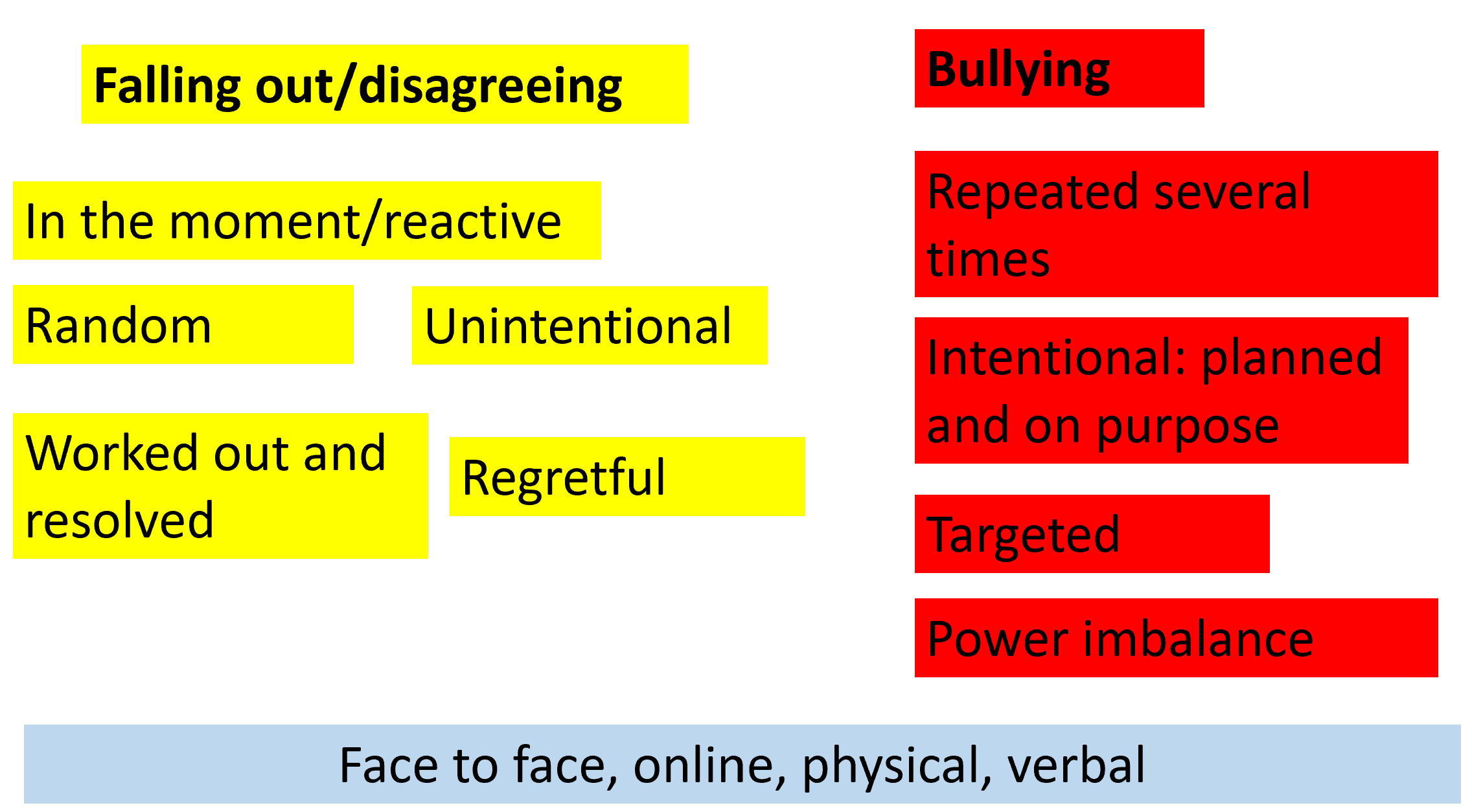
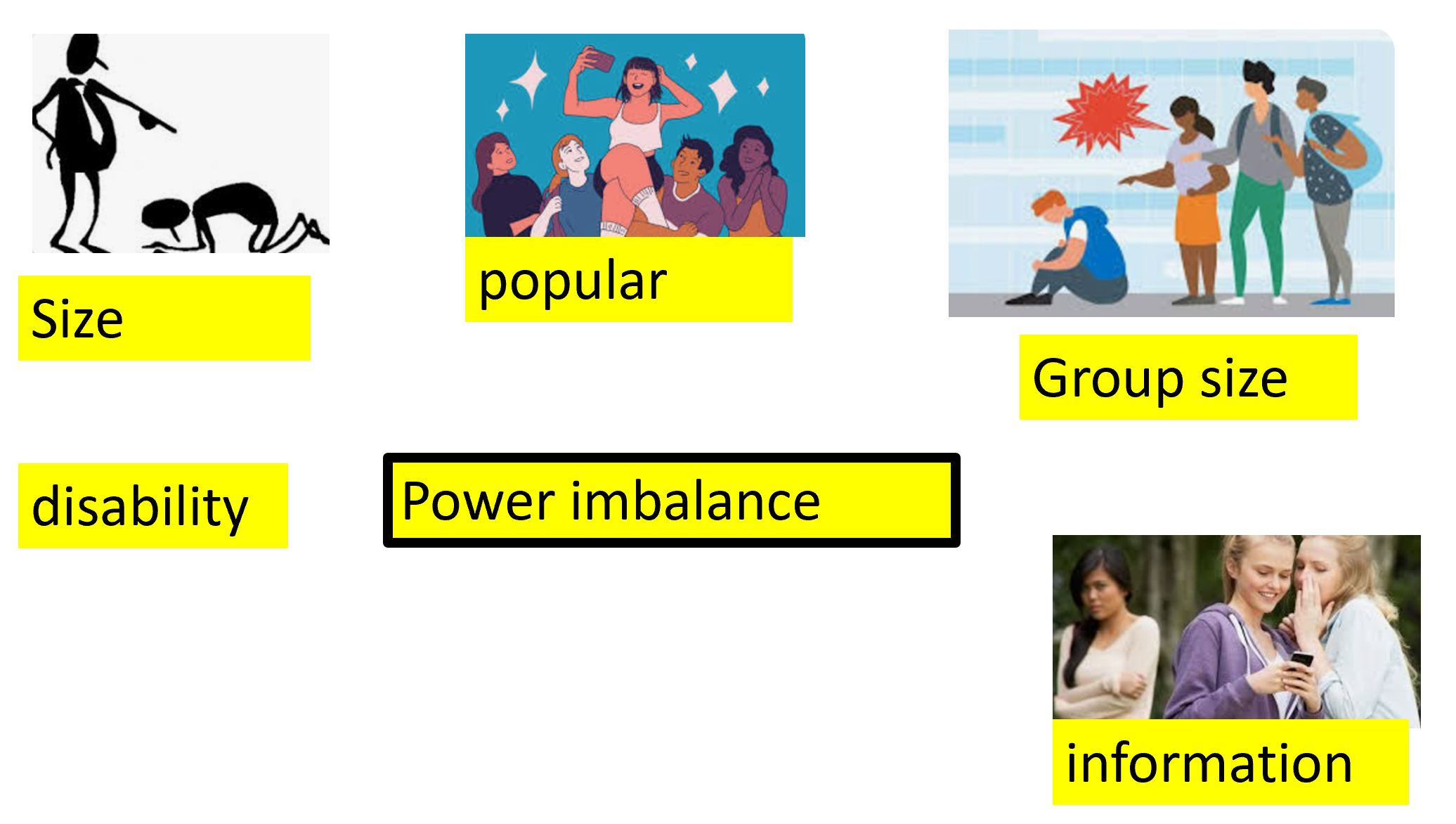
We have learnt about bullying and what it is actually is. Our children explored the difference between falling out and bullying, linked to power imbalance, and what to do if they felt they were being bullied.
We have enjoyed debating issues linked to topics such as equal pay for female footballers, discrimination linked to race, historic moments in time such as segregation, the right to attend school and where in the world this might not be the case and other issues.
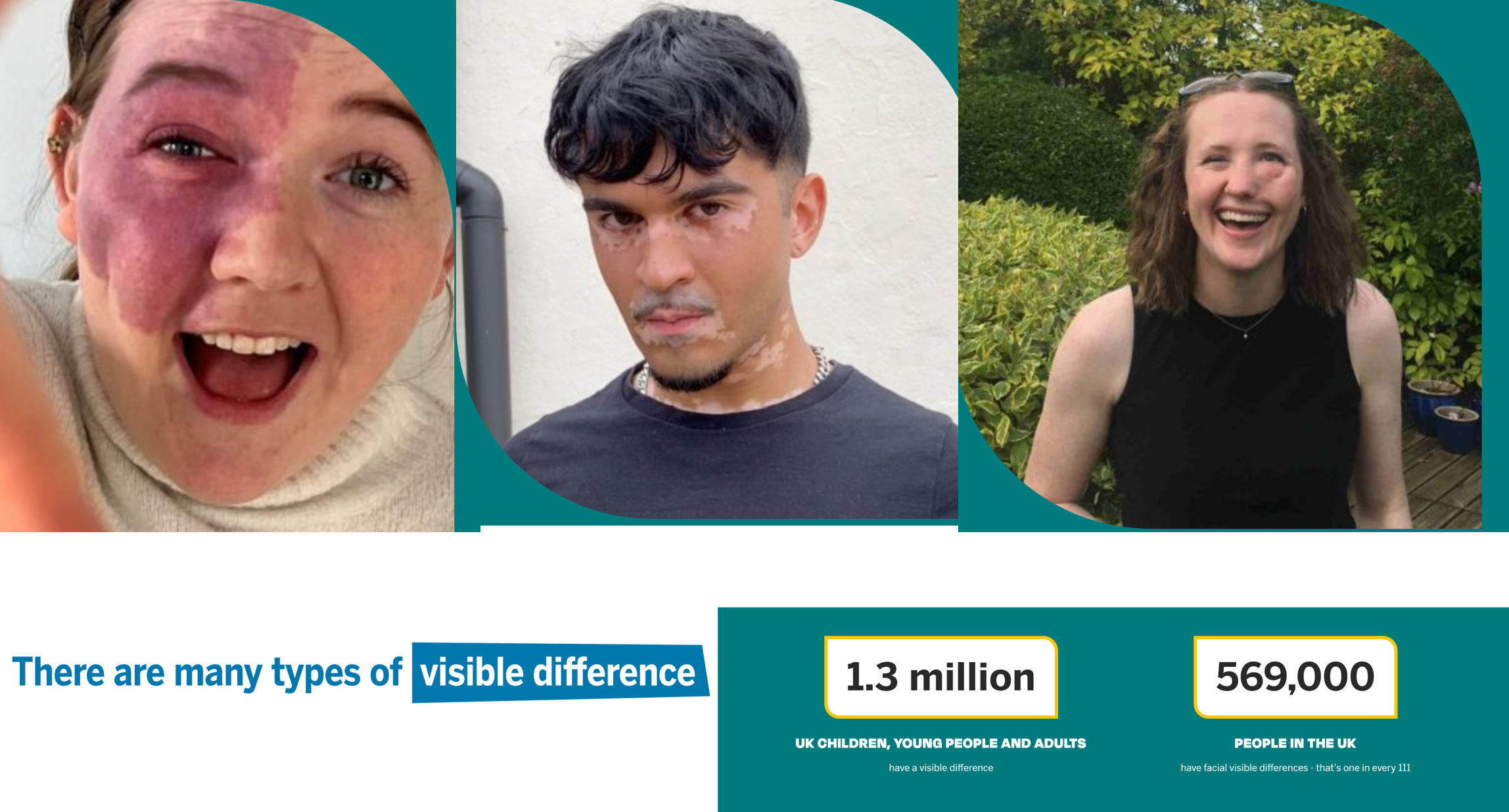
Visible differences
We also looked at the charity 'Visible Differences' https://www.changingfaces.org.uk/about-visible-difference/what-is-visible-difference/ and discussed the impact of our own actions. We are determined to be a school that gives every child a strong sense of belonging.
Democracy
British Values are explored every week through our assemblies and across the wider curriculum. Children have enjoyed learning about how our country is run and were particularly interested in discovering the similarities between national democracy and the way our own school council works.
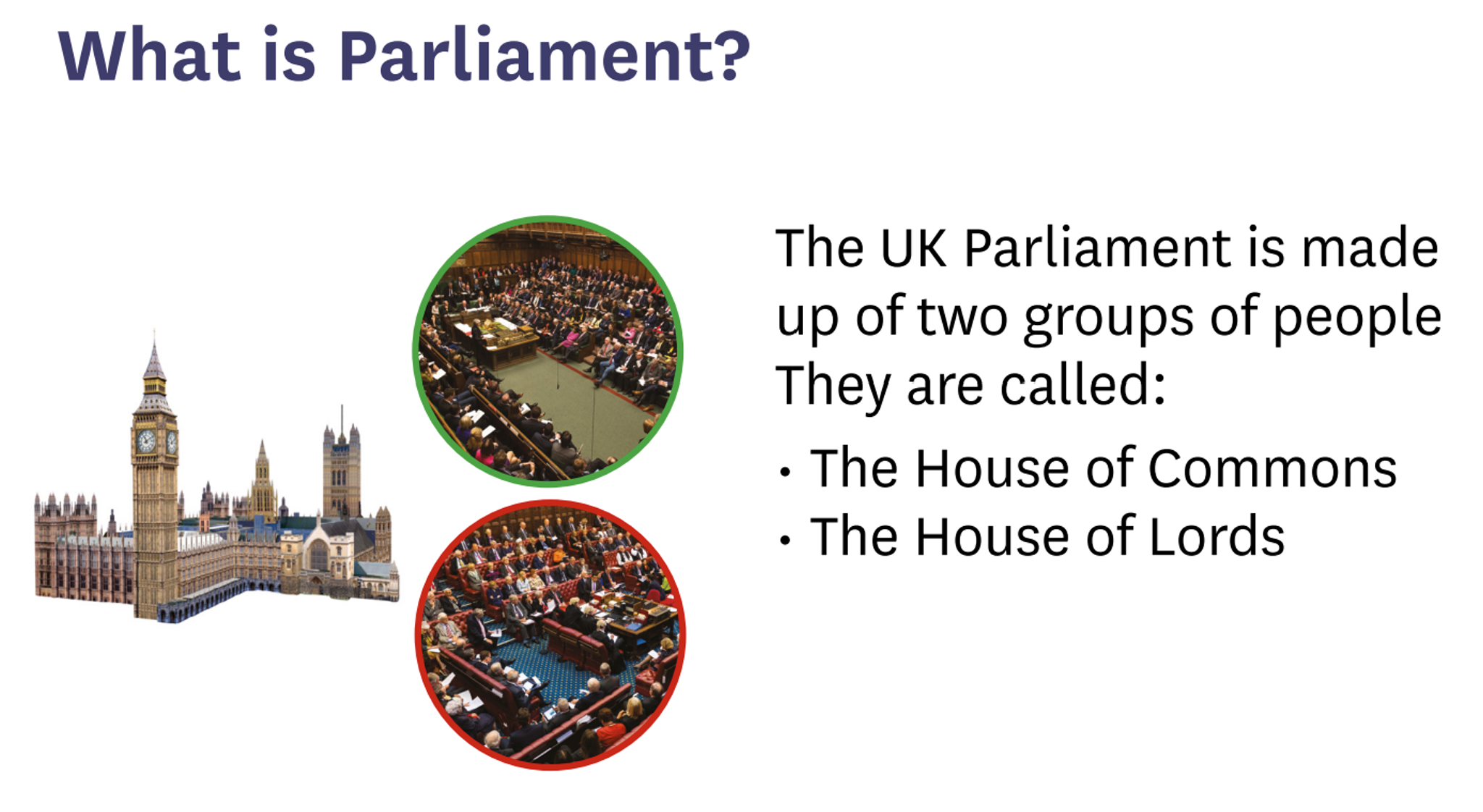
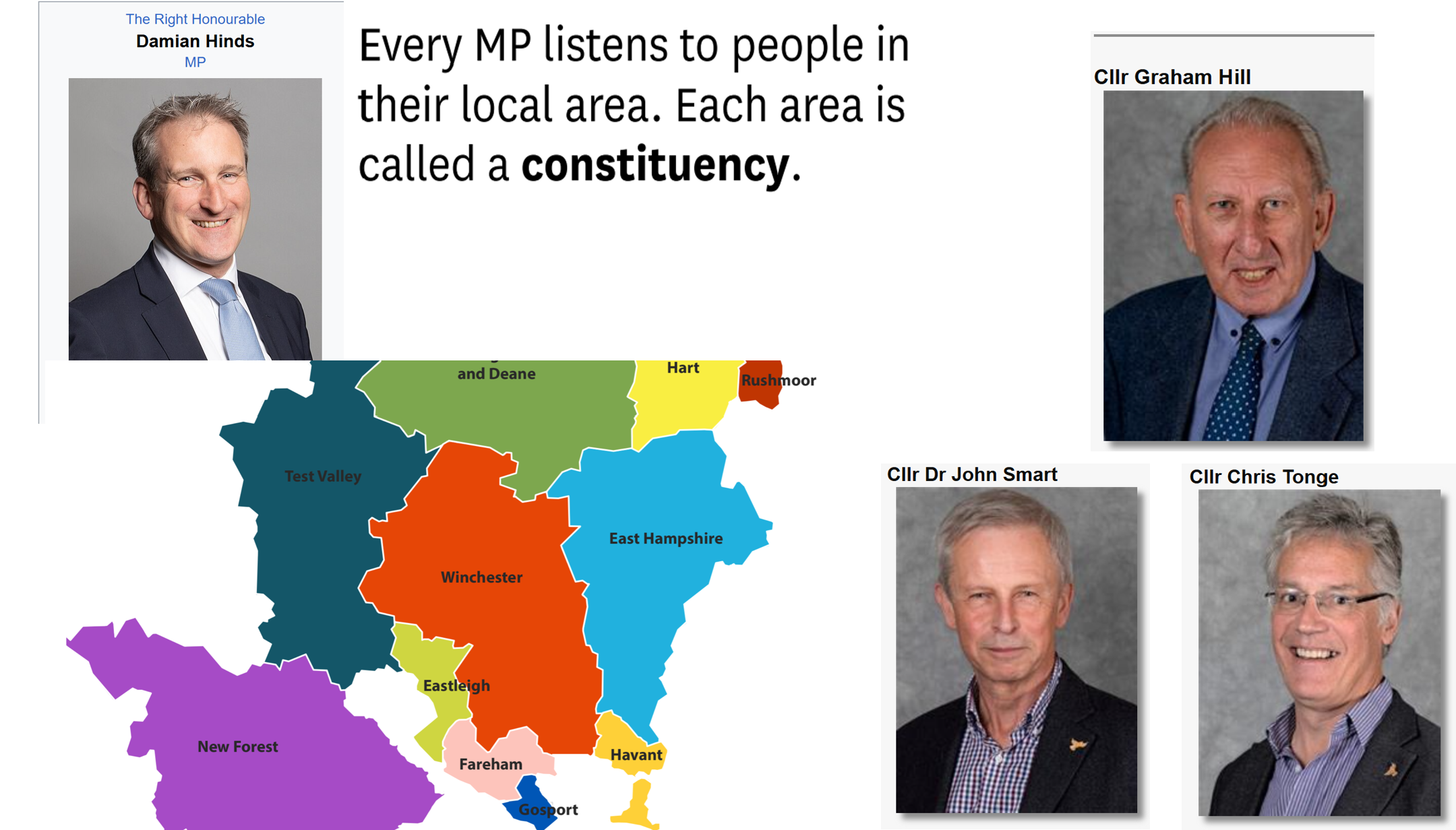
We played a fun and interactive game where the school was split into two “countries” – one run democratically and one without democracy. This helped children experience what it might feel like if they did not have a voice or the chance to share their opinions.
Kindness in the community
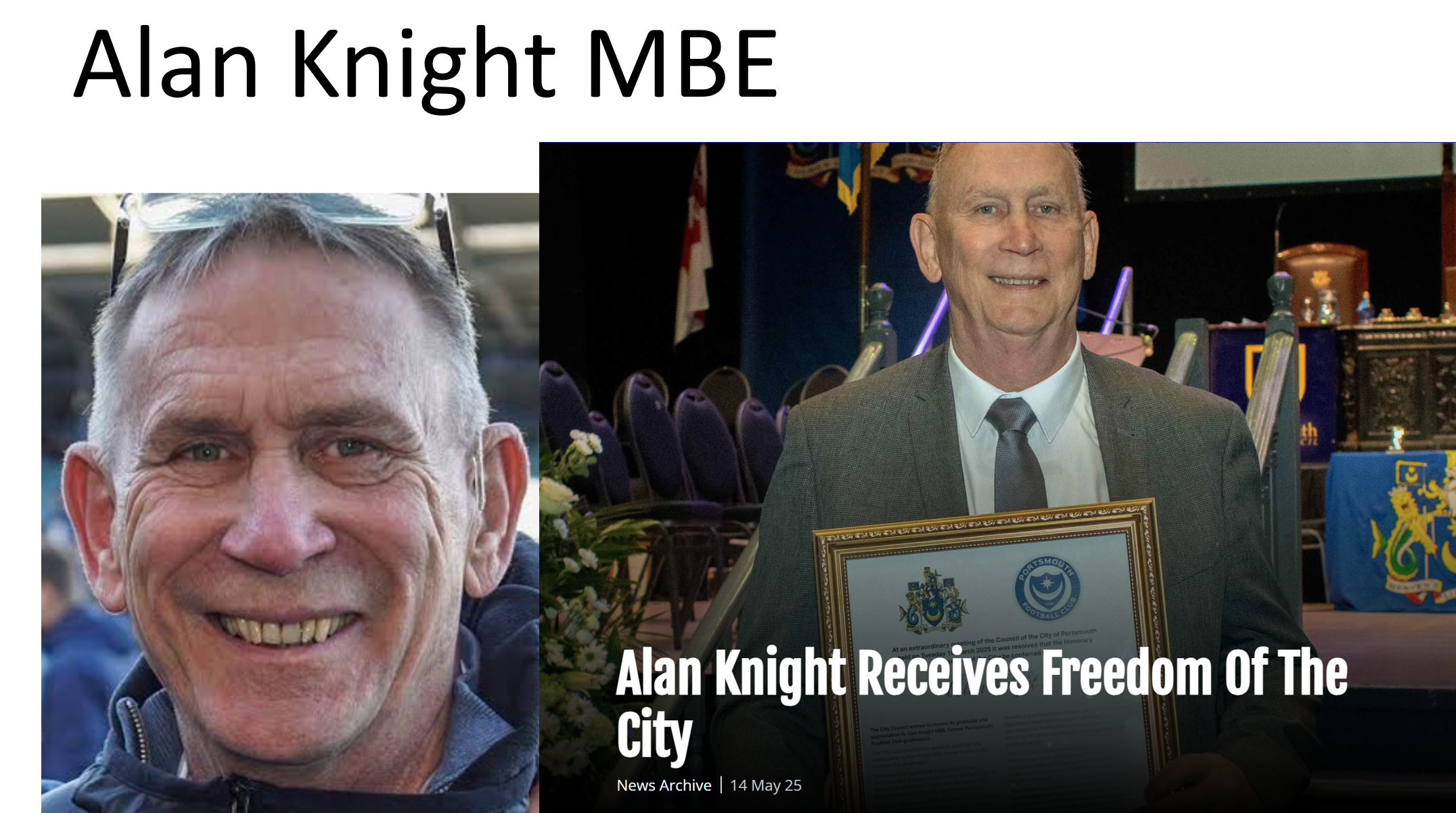
One of our school values is Kindness, and is a big feature in our assemblies. We discovered the world 'altruism' and invited local legend Alan Knight to visit our school. Alan's impressive work in the community has inspired us to create our own CJS MBE award for next year!
Earth care
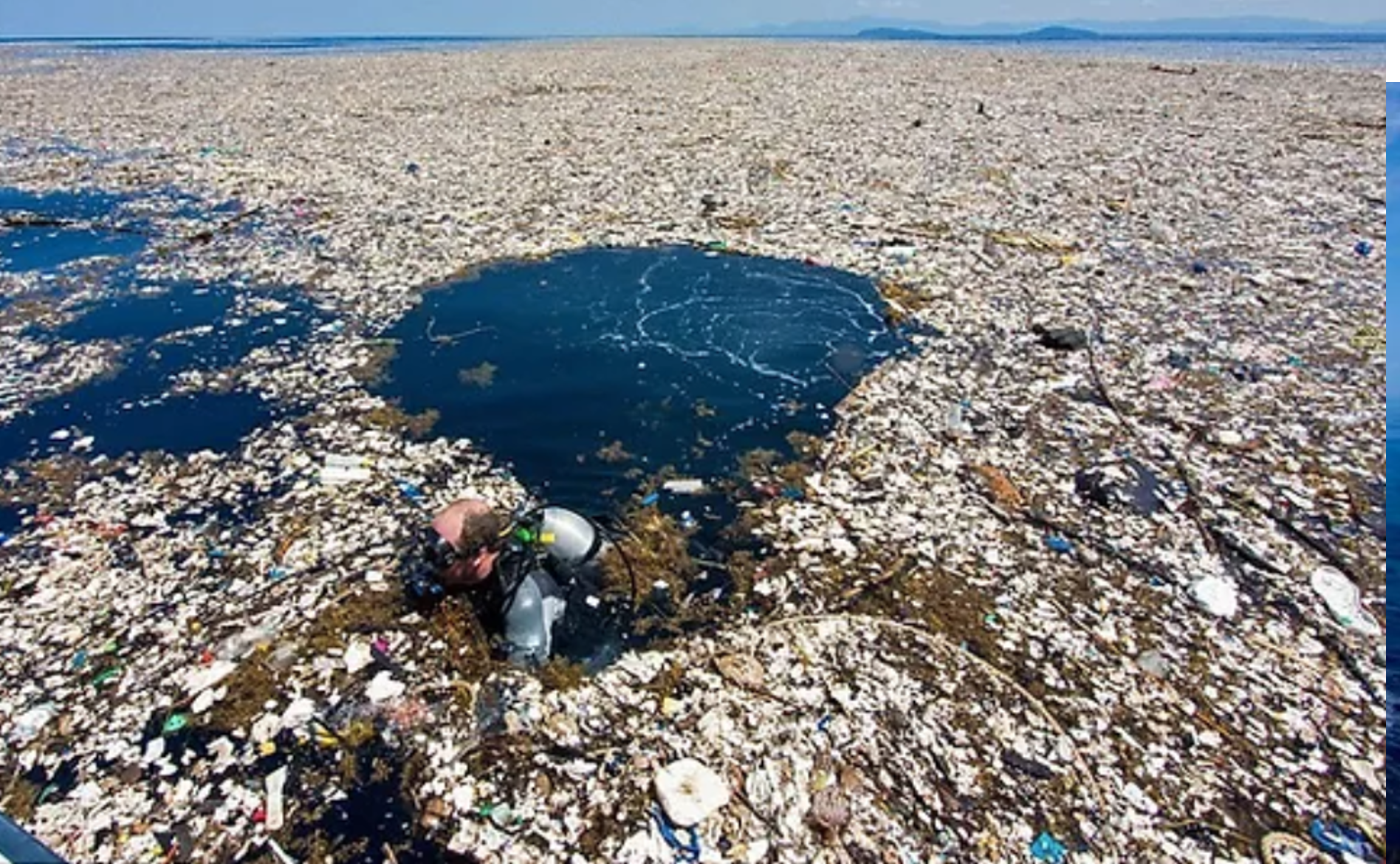
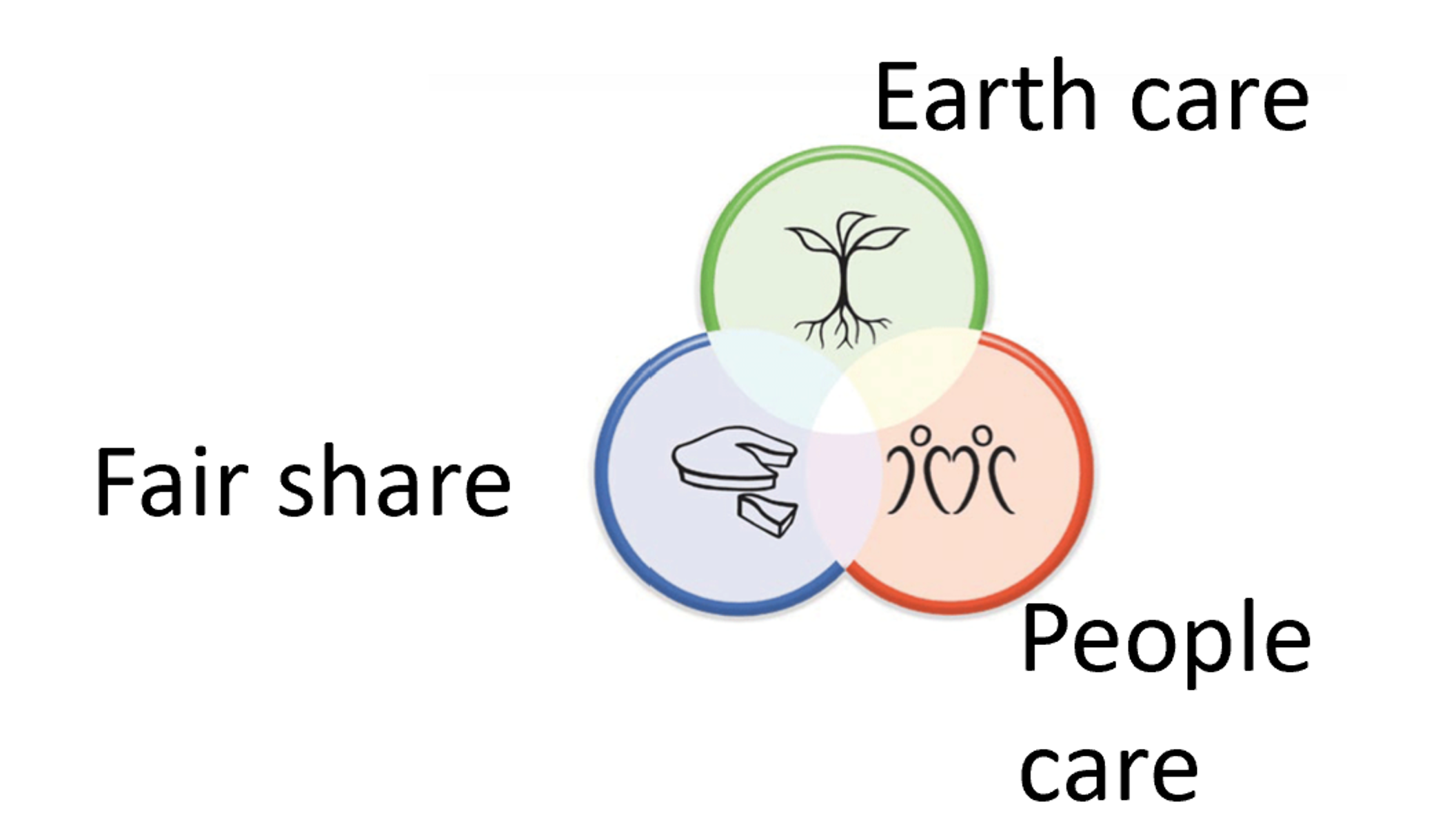
One assembly that really made an impact on our children focused on the issue of plastic pollution and the amount of waste left in our environment. Together, we explored the Permaculture ethics of caring for the Earth, caring for people, and sharing resources fairly. The children were deeply moved after learning about the ocean gyres — huge areas where plastic collects — and decided they wanted to take action straight away.
Their first step was to tidy our own school grounds, showing real care and responsibility for their environment. Looking ahead, the children are eager to do even more next year, including finding ways to reduce single-use plastic across our school. What a fantastic example of our values in action!
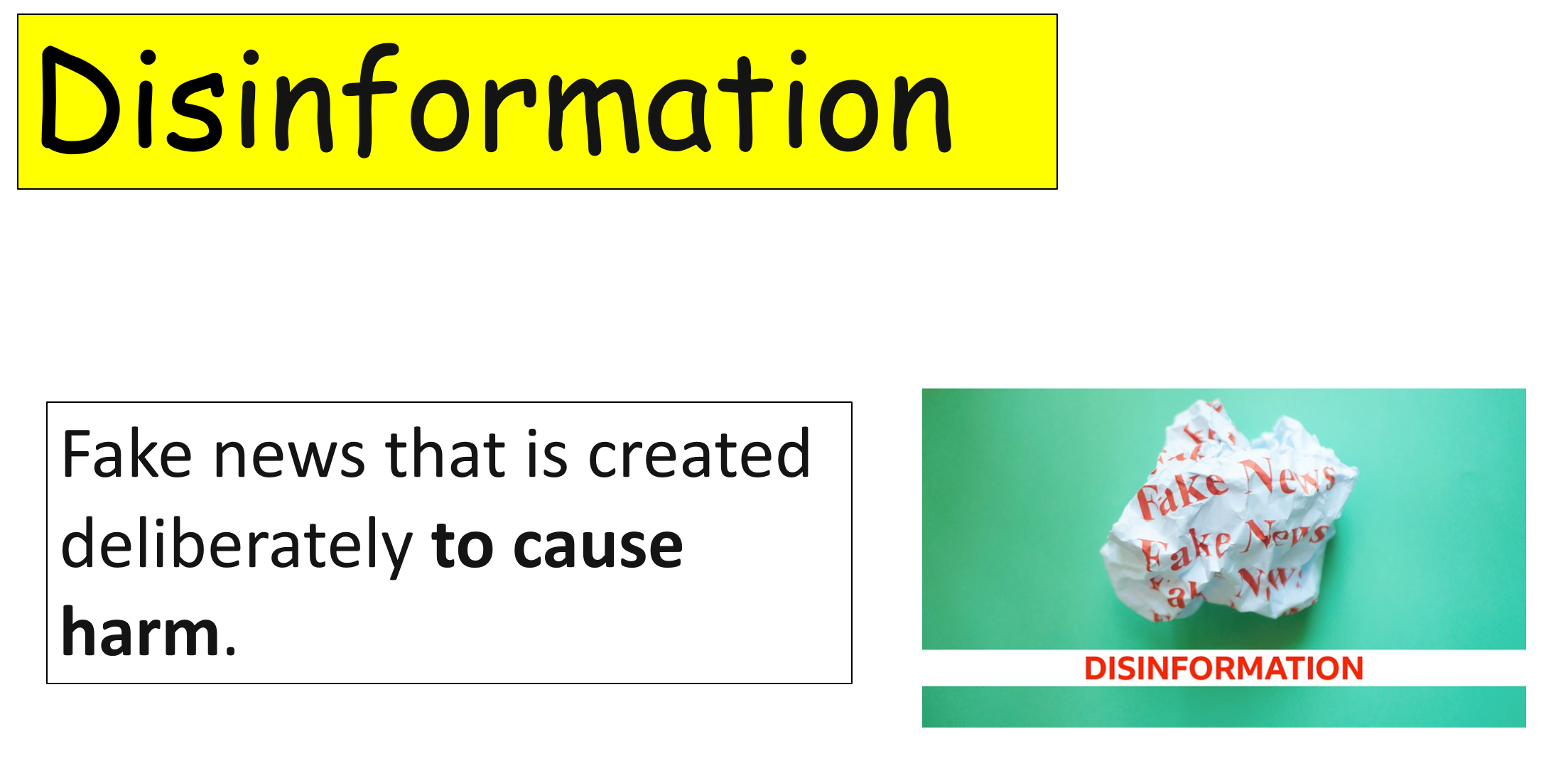
Misformation and Disinformation
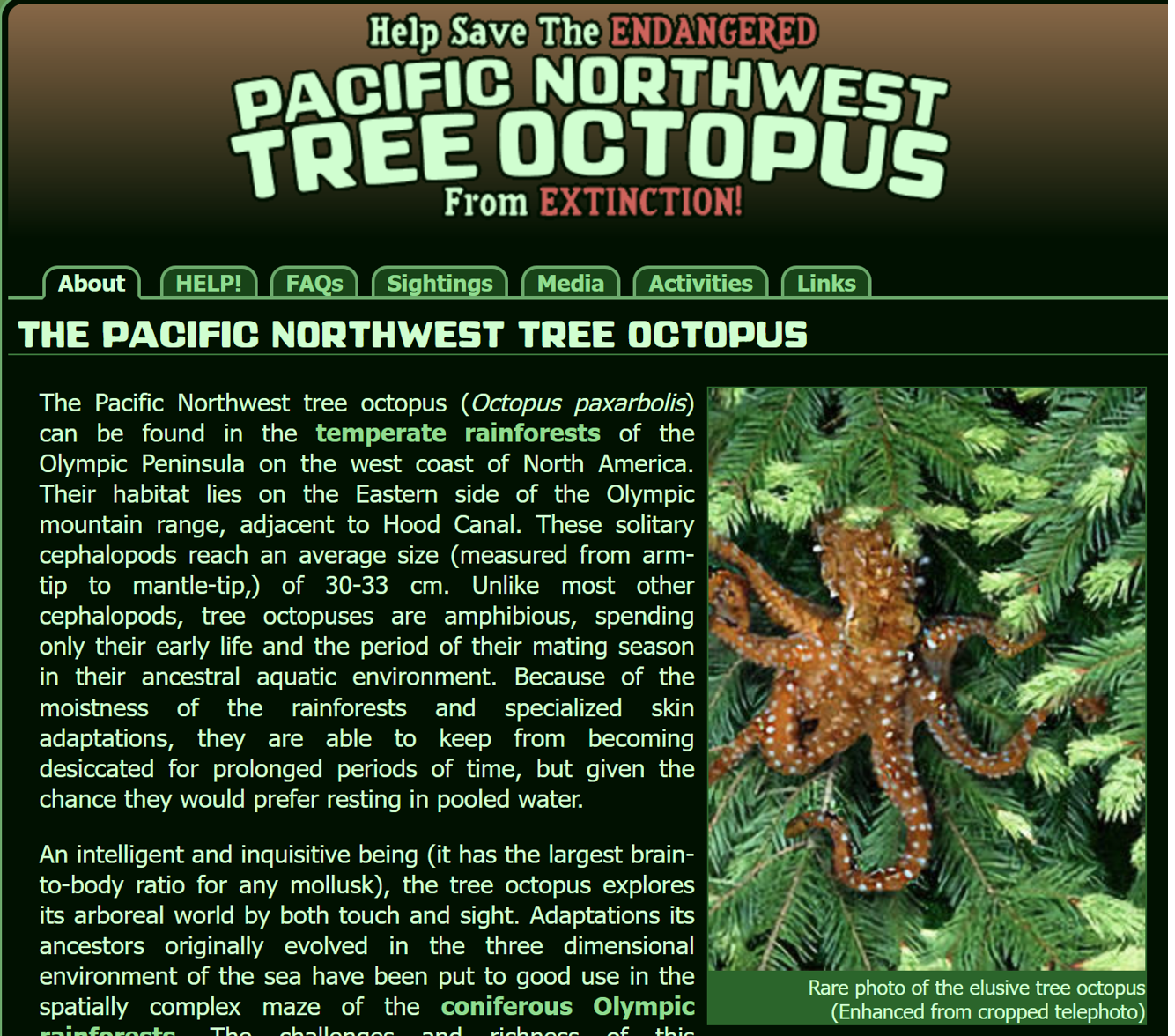
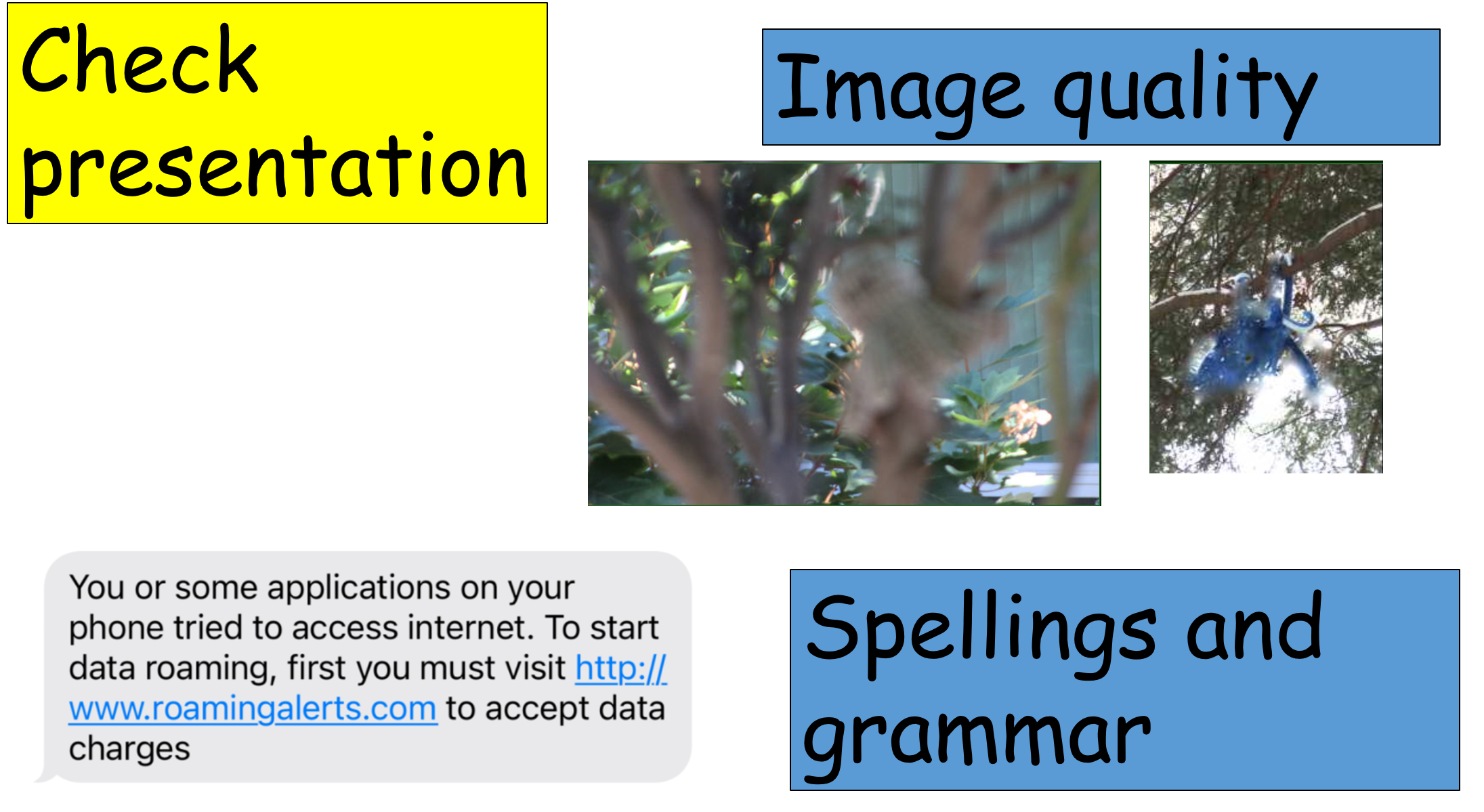
Mrs Dawkins challenged the children to think critically about what they see and read online — using the example of the mysterious “tree octopus”! Pupils were asked to vote on the quickest way to spread the news of this newly discovered creature, with one hilarious suggestion being a march through the village dressed as octopuses to raise awareness!
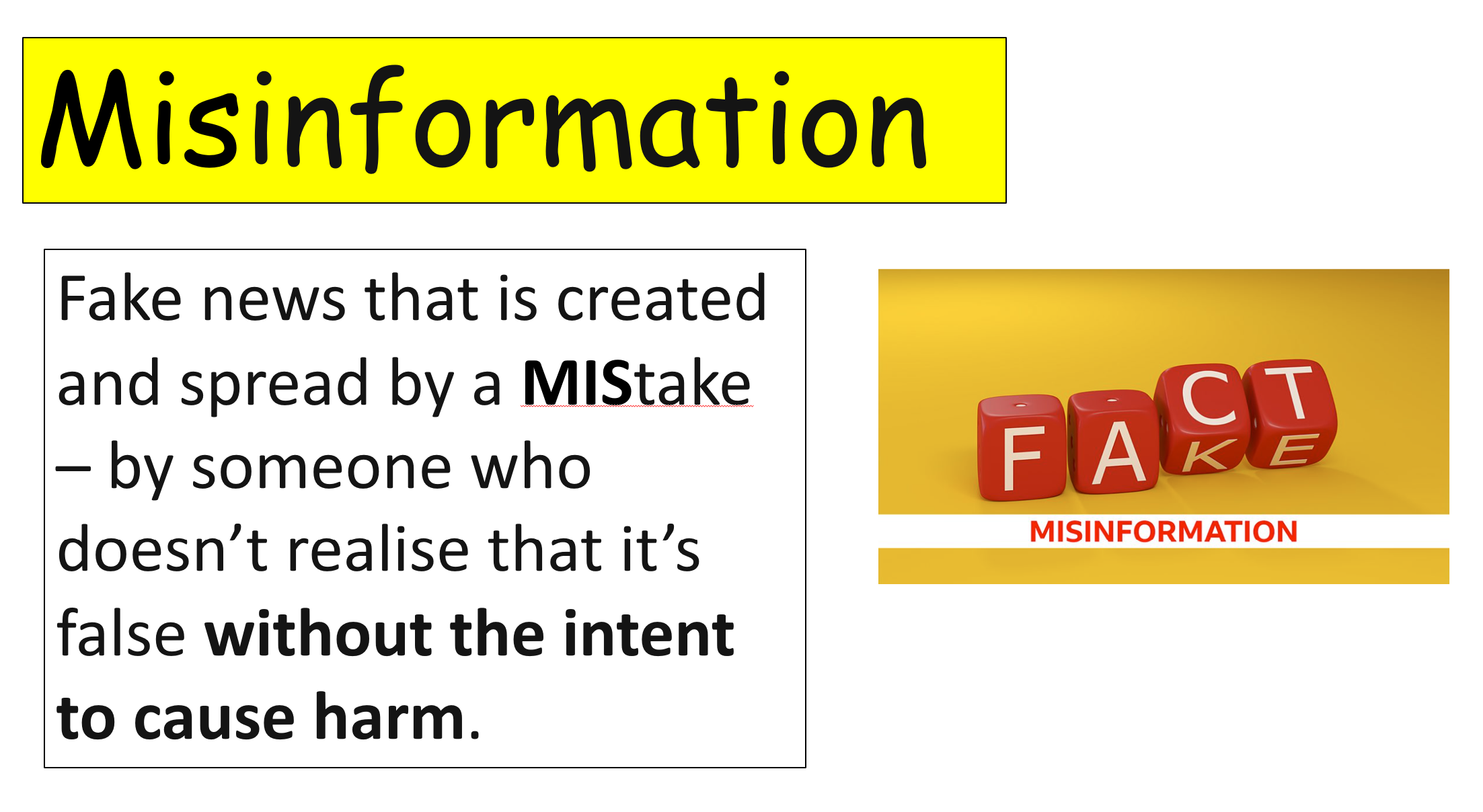
The children were amazed to discover that the tree octopus wasn’t real at all — it was an example of fake news designed to trick readers. Together, they discussed how misinformation, scams, and hoaxes can spread quickly, and how important it is to check the validity of information before believing or sharing it. Mrs Dawkins also introduced practical ways to spot trustworthy sources and stay safe online.
Invisible disabilities
Mrs Dawkins led a thoughtful discussion on invisible disabilities, 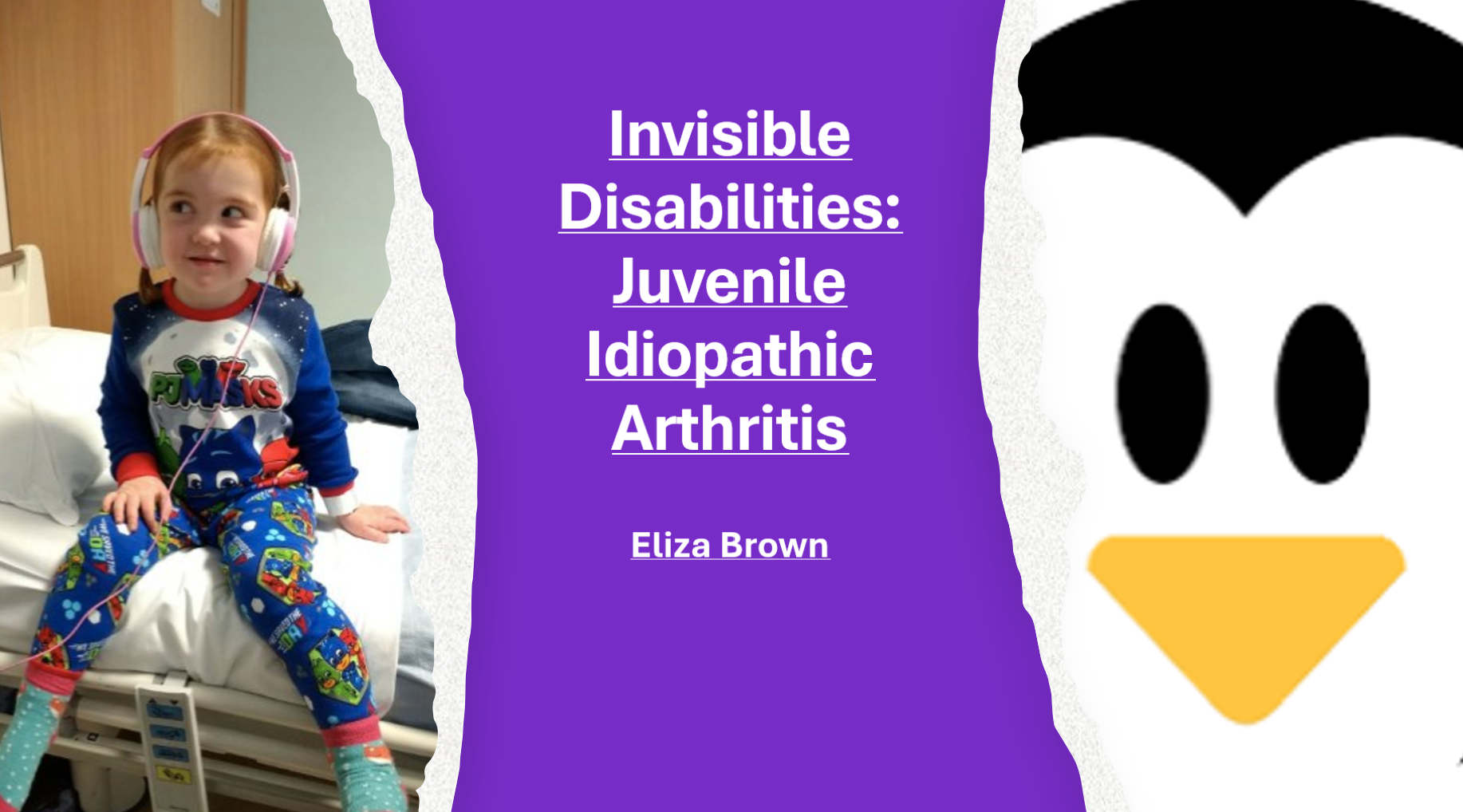 encouraging children to reflect on how we can support others with understanding and compassion. Inspired by this learning, Eliza and Samuel took the initiative to tour the school and deliver a presentation about their invisible disability, Idiopathic Juvenile Arthritis. Their confidence, courage, and willingness to educate others have been truly inspiring and have helped deepen pupils’ understanding of empathy, inclusion, and respect.
Stereotypes
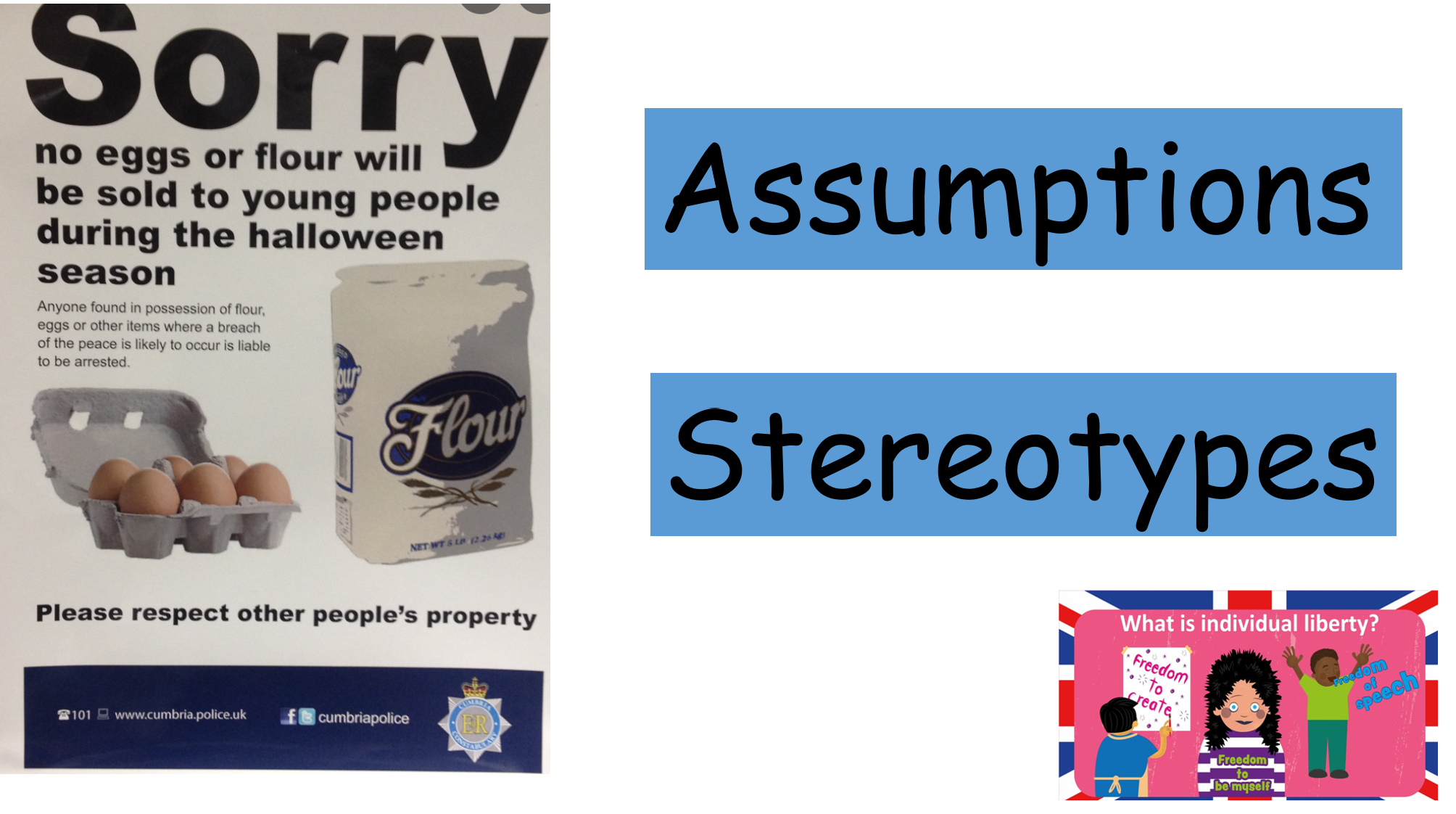
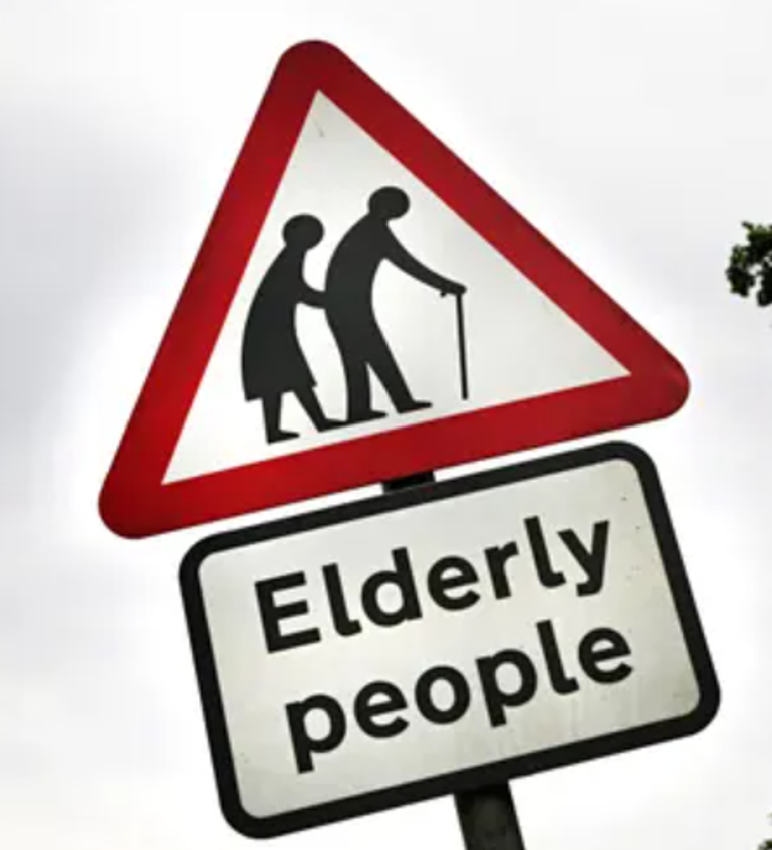
Our pupils loved discussing the key points raised in this assembly. Children learnt about stereotypes and the assumptions that are sometimes made about different groups of people. They were particularly inspired by the story of Bryson Hays, who went skydiving at the age of 102, which challenged many of their own assumptions about age and ability. Pupils also explored how society and the media can sometimes create and reinforce these assumptions. This led to thoughtful discussion about fairness, respect, and the importance of judging people as individuals rather than relying on stereotypes.