Maths
Our vision:
We aim for every child to build firm foundations in mathematical knowledge and understanding — enabling them to make rich connections, reason with confidence, and apply their learning to new and challenging contexts. To achieve this, we follow the HIAS Maths Framework to deliver the National Curriculum, using a spiral approach that allows children to revisit and deepen key concepts over time. It uses a Concrete, Pictorial, Abstract (CPA) approach and a consistent "I do, we do, you do" teaching method, which builds on prior learning to help all students succeed.
At Clanfield, we see maths as more than just numbers — it’s a way of thinking. We teach reasoning and problem-solving explicitly, helping pupils approach challenges logically, creatively, and with perseverance. Through high-quality feedback, pupils learn to reflect, edit, and improve their work, understanding that success often comes through effort, curiosity, and resilience.
By the time children leave us, they are confident, reflective learners who see mistakes as opportunities — ready to take on new mathematical adventures at secondary school and beyond.
Maths learning journeys:
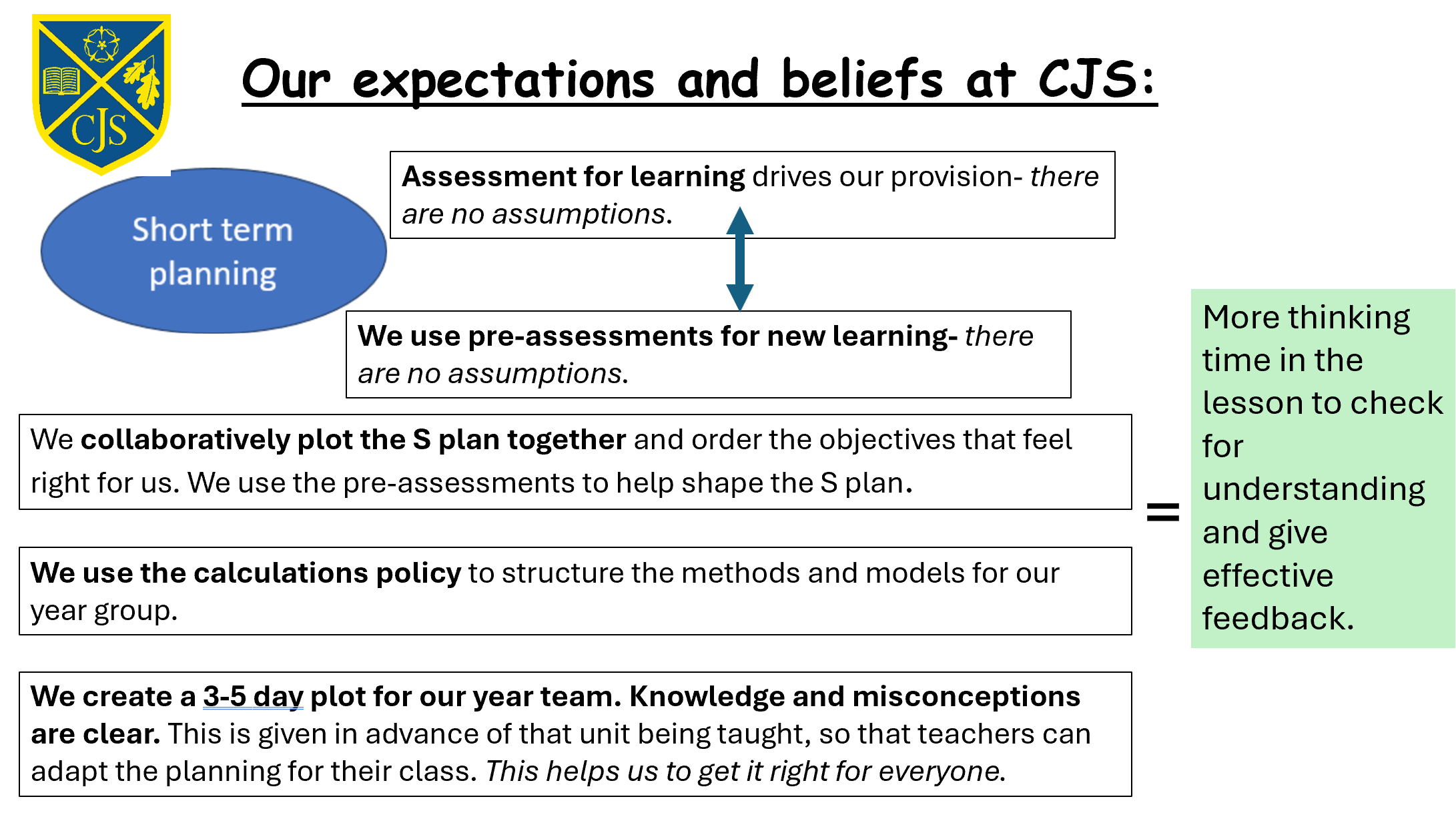
Each maths learning journey includes with identifying gaps, clarifying key knowledge, and anticipating possible misconceptions. We never make assumptions — instead, we use a range of assessment strategies to find out what children already know, so we can plan effectively for progress. Assessment for learning is woven throughout every lesson. Teachers use questioning, discussion, and short, focused tasks to check for understanding. Lessons are adapted in response to this, ensuring knowledge is revisited, misconceptions are addressed, and every child receives the right balance of support and challenge to thrive in maths.
Calculation policy
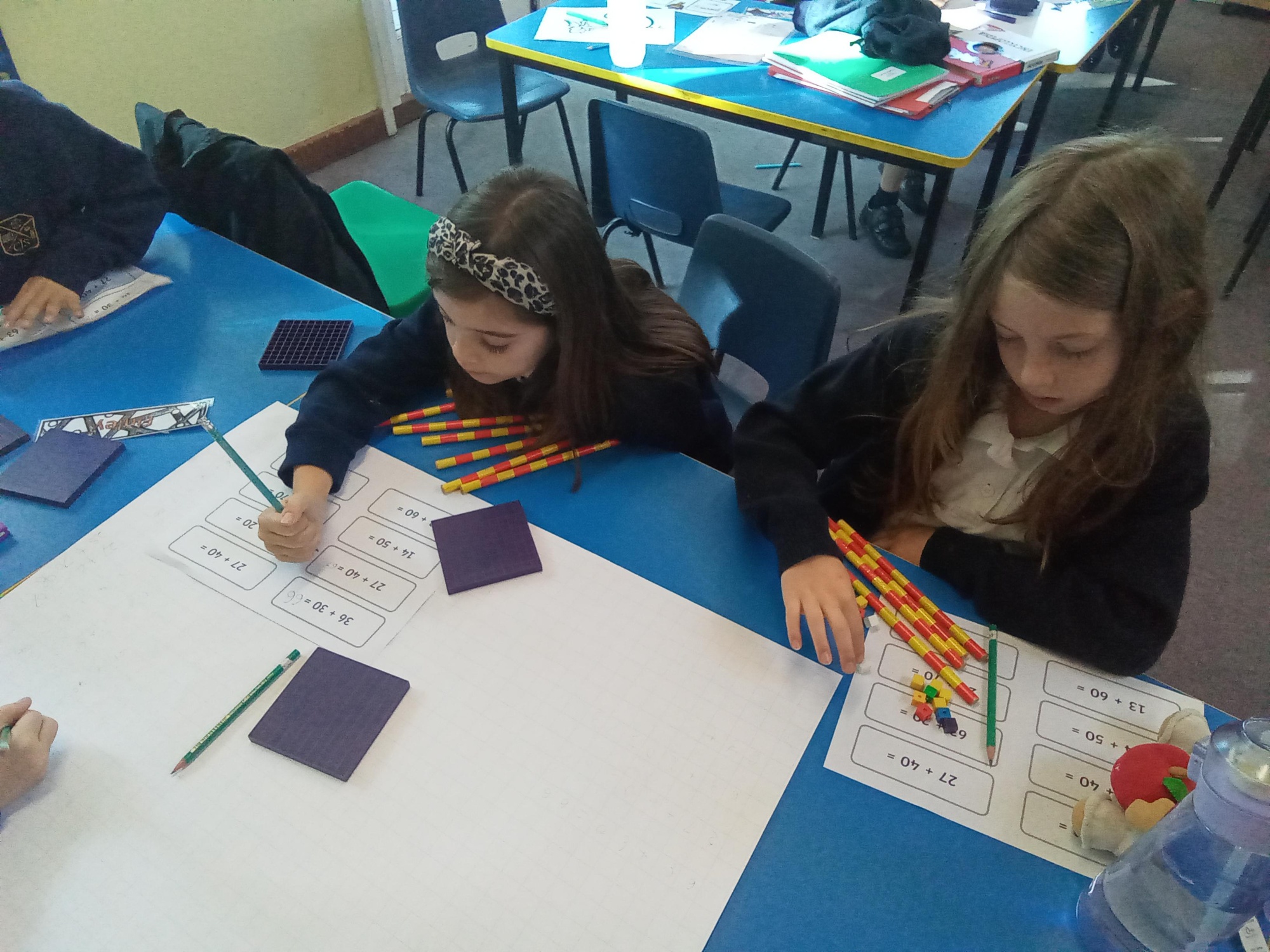
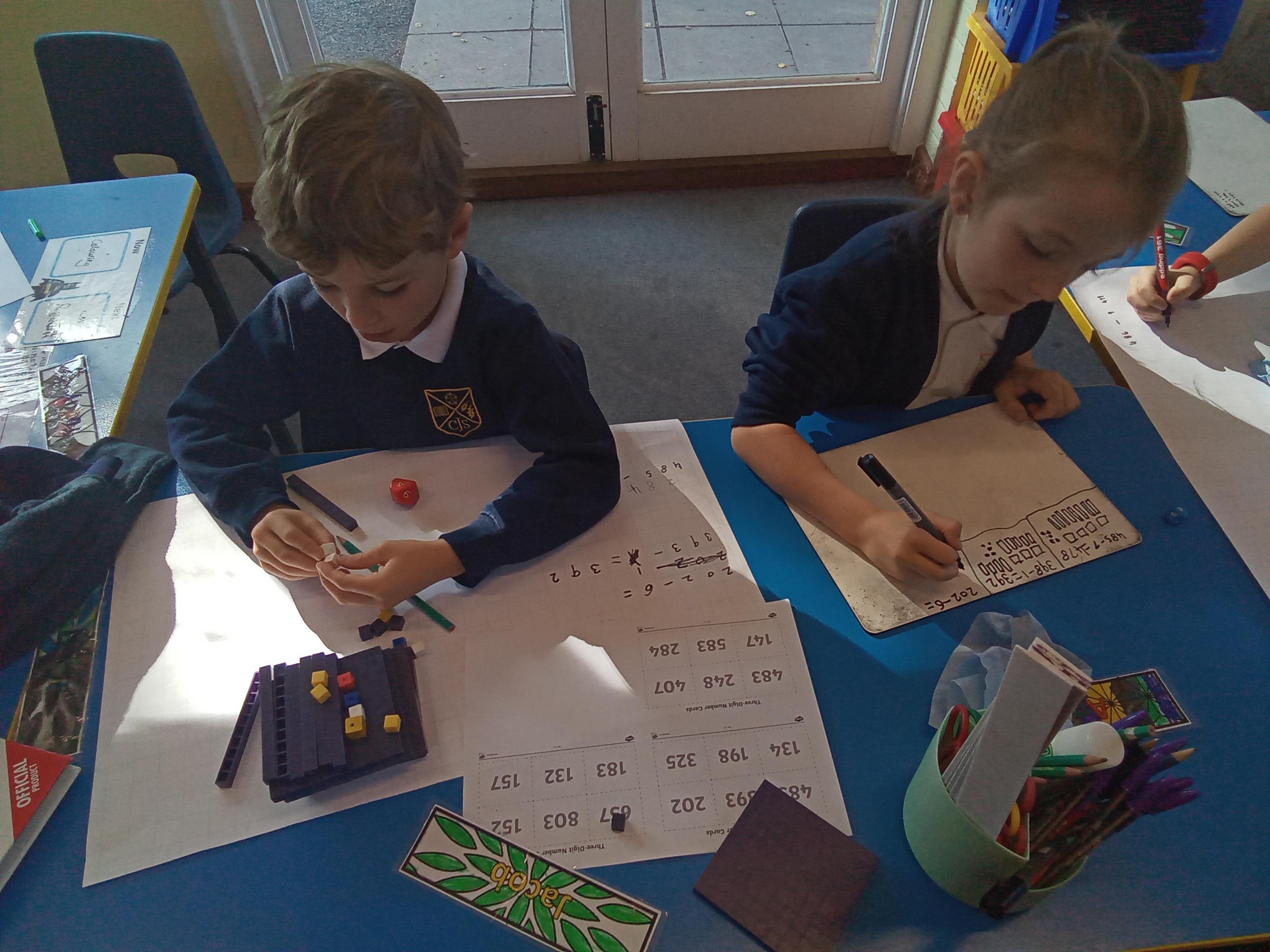
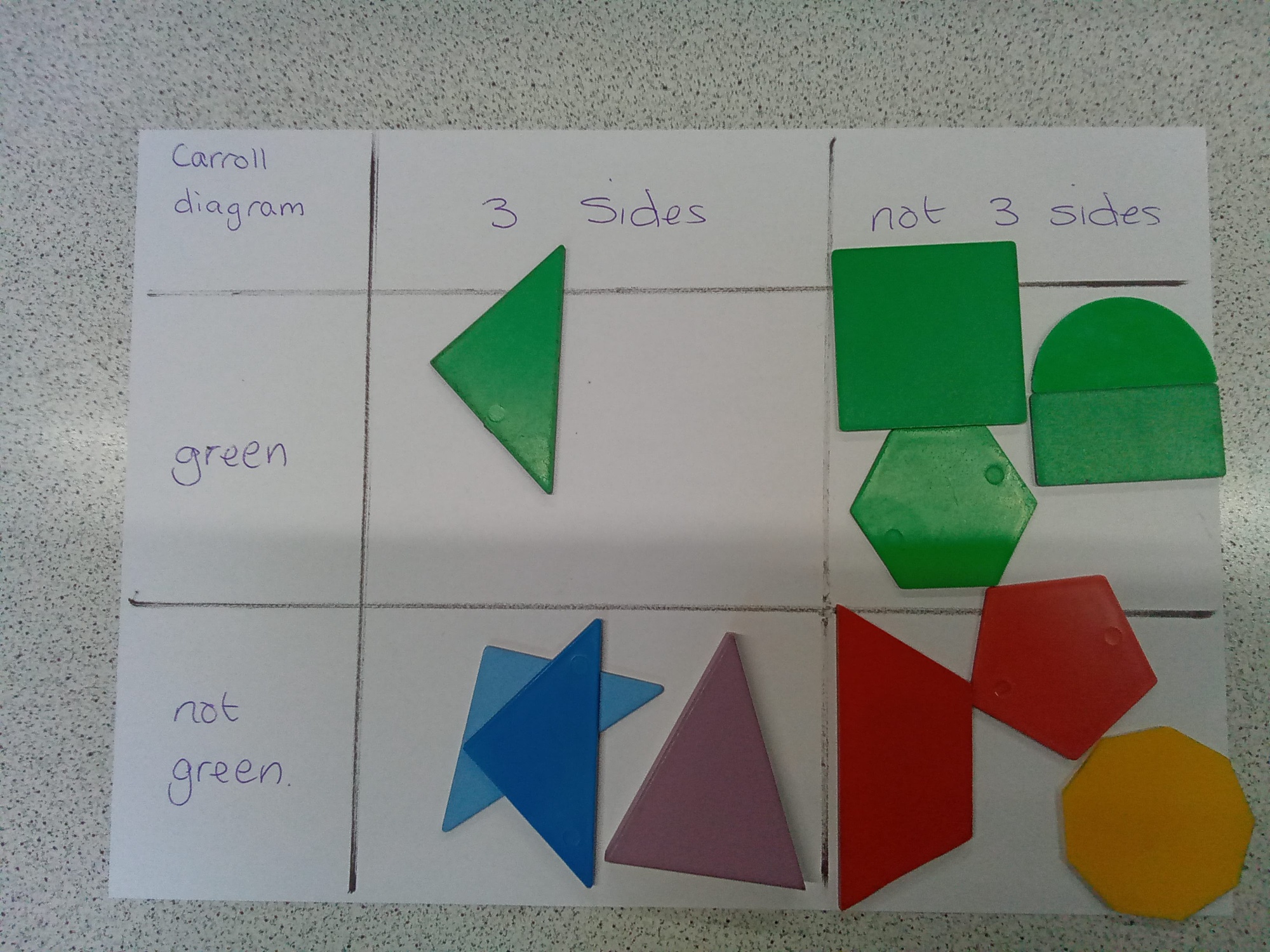
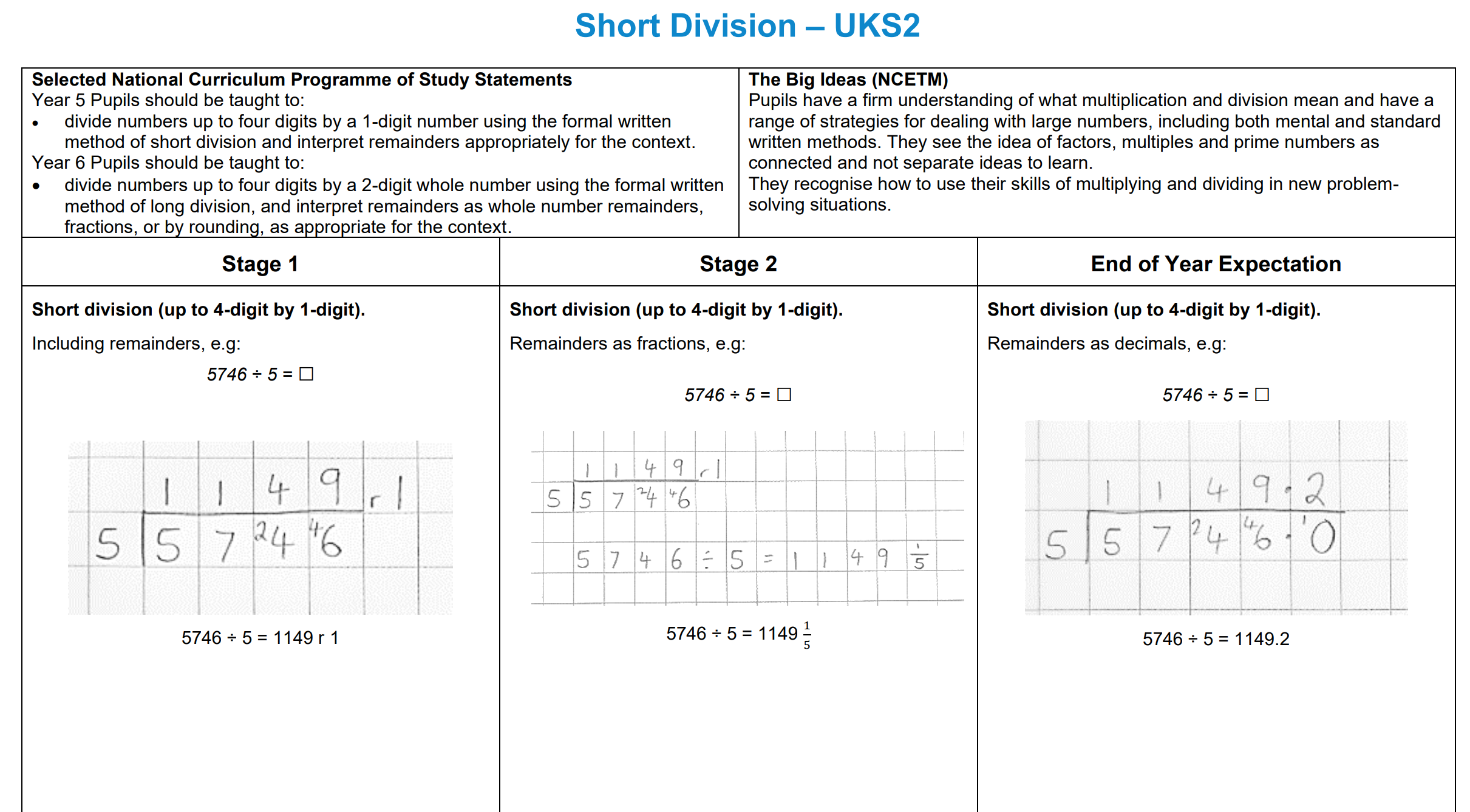
To help children grasp tricky ideas and see how concepts link together, we use the HIAS calculation policy and key mathematical models and images such as bar models and number lines:
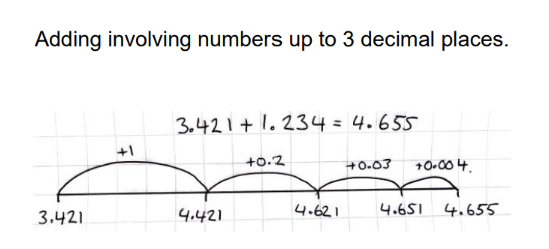
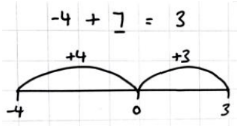
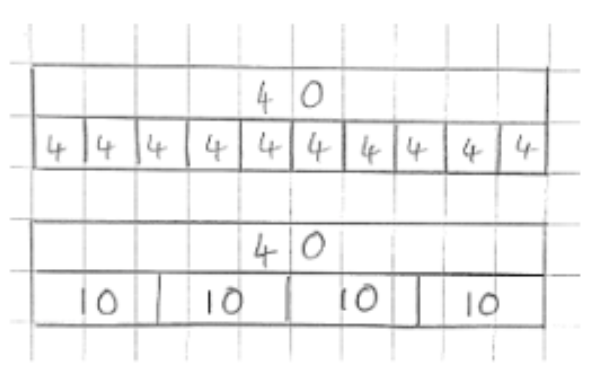
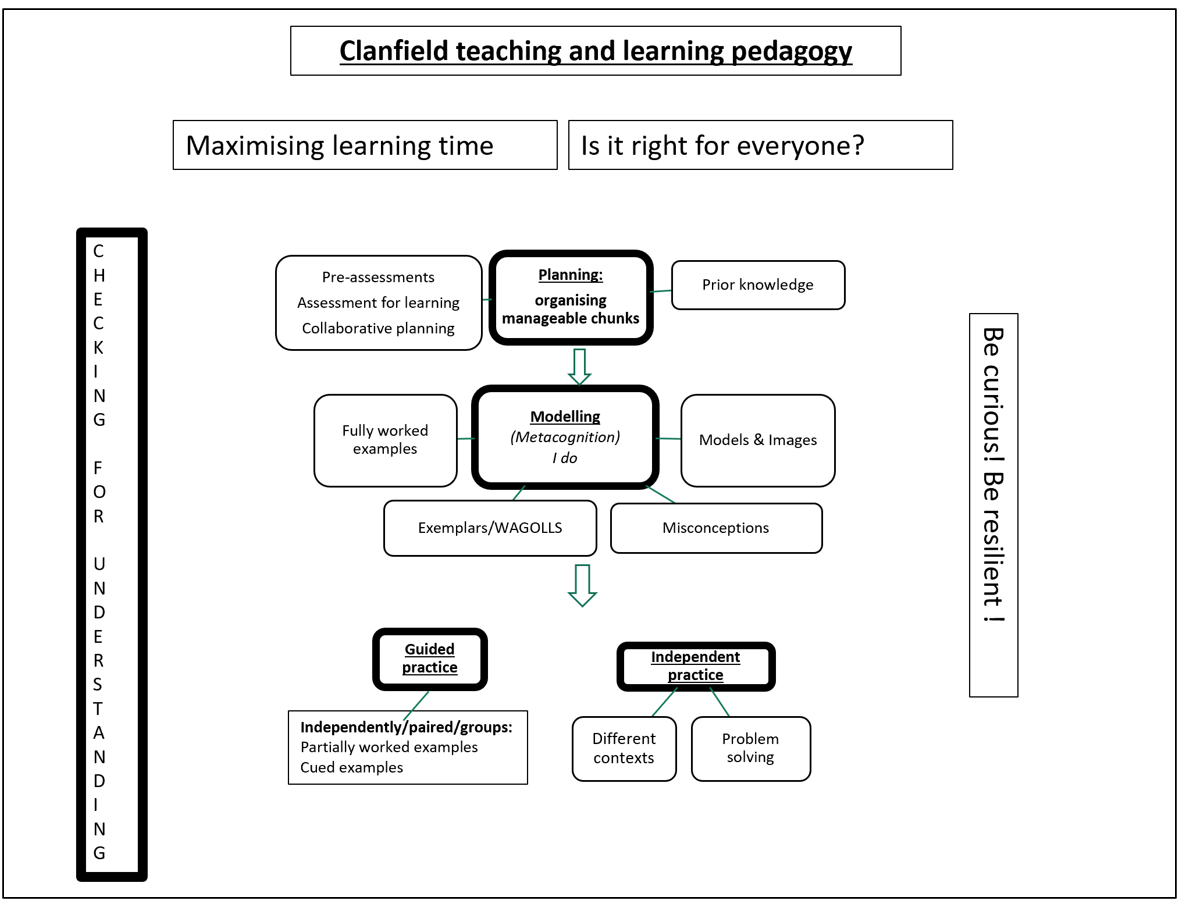
Our lessons are shaped by the Clanfield pedagogy, which provides a clear, visual structure for teaching new concepts. Through modelling, guided practice, and reflection, children move from supported learning to confident independence. Our maths lessons are active, visual, and progressive. Each one offers plenty of opportunities to talk, reason, and explore, as we believe that explaining ideas out loud is one of the most powerful ways to learn.
Building a Team of Maths Experts
At Clanfield Junior School, we believe that the best teaching comes from learning together. We regularly take part in professional development with our Senior Leaders and the HIAS Maths Team, building our expertise and confidence in teaching maths over time. We also draw on trusted external sources, such as the NCETM (National Centre for Excellence in the Teaching of Mathematics), to explore new ideas, deepen our understanding, and stay up to date with the latest research and best practice.
Our home-grown Maths Practitioners work closely with their colleagues — sharing strategies, modelling lessons, supporting with planning, and celebrating great practice. This collaborative approach ensures that high-quality teaching is cascaded across the school, ensuring that every child receives the very best maths education.
Times tables
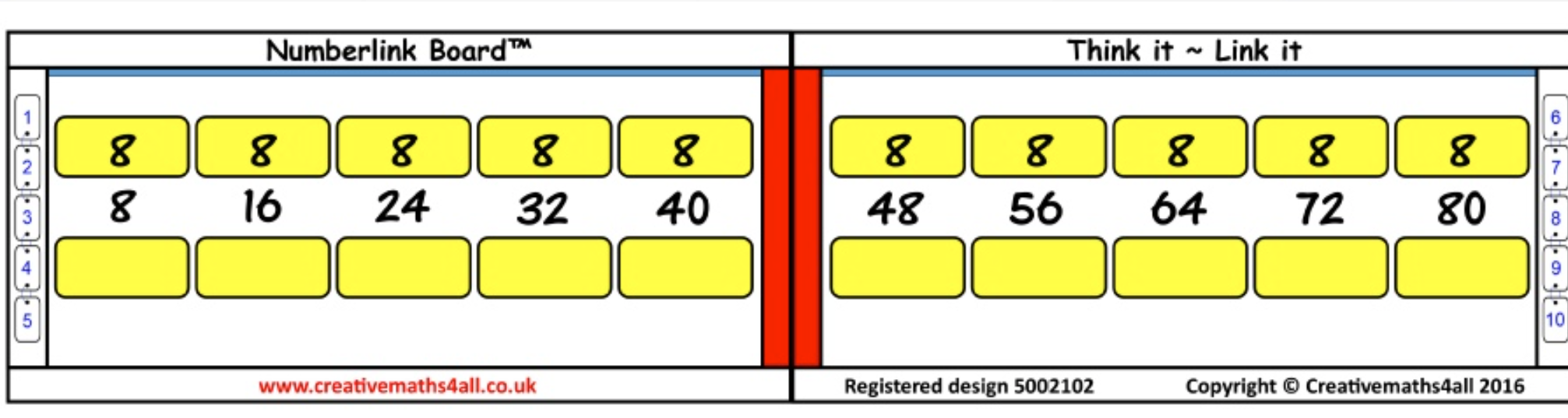
Times tables play an important role in our children’s mathematical learning. We use Number Links boards to help children identify connections and spot patterns within and across times tables.
Visit this web page to find out more, including parent packs and training videos: https://learnwithnumberlink.co.uk/index.html Here’s what times tables learning looks like across Key Stage 2:
|
|
|
|
|